Source Equestrian Number Card for Racing, Shows, and Training
Find and compare 30 equestrian number card options from Hebei, China. Evaluate PVC and alloy materials, custom logo availability, and bulk pricing to select the right gear for racing, shows, and training; compare the available evidence and request quotations based on your requirements.
Key considerations
Products List
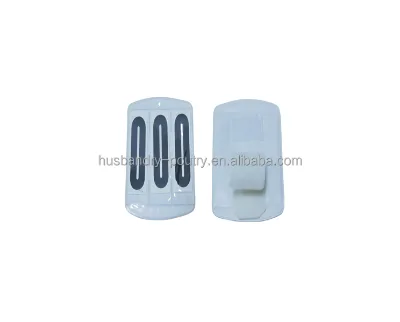
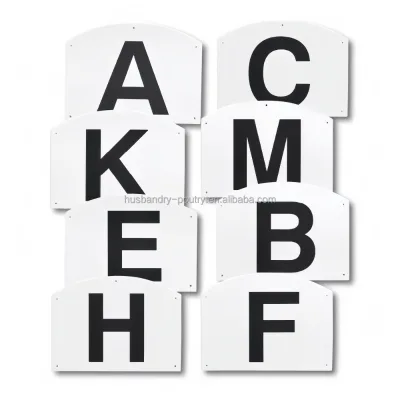
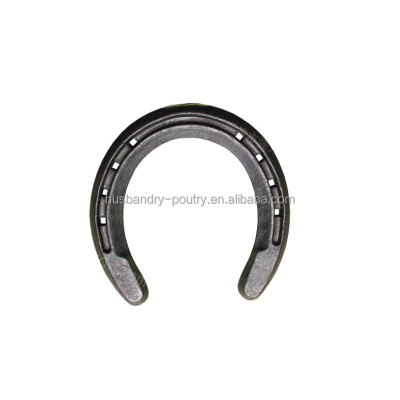
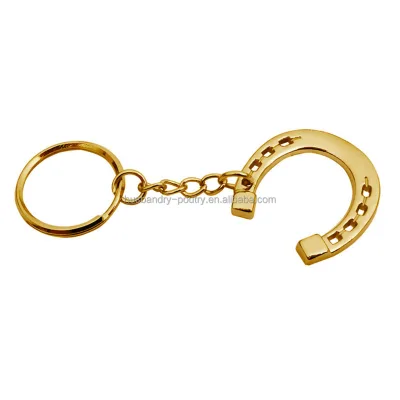




Comprehensive Sourcing Guide
Equestrian Number Card Sourcing Guide
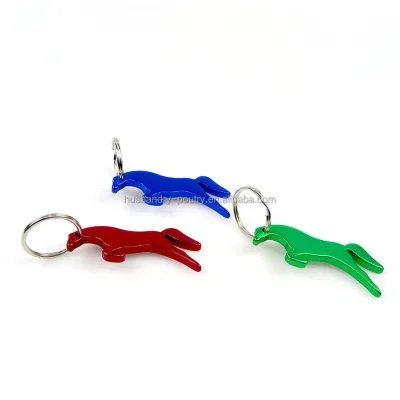
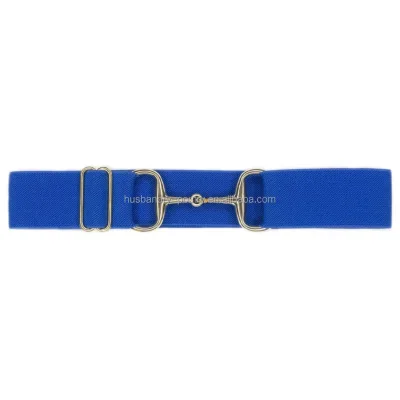
Sourcing equestrian number cards requires distinguishing between rigid identification plates and flexible fabric accessories, as the market offers distinct product categories under this keyword. The observed inventory includes rigid zinc alloy keychains and flexible polyester belts, indicating that buyers must first define whether they need durable, permanent identification or temporary, washable event gear. This distinction dictates the material selection process, as the supply chain for metal hardware differs significantly from textile manufacturing in terms of tooling and lead times.
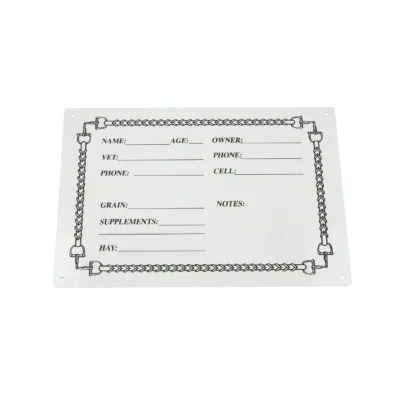
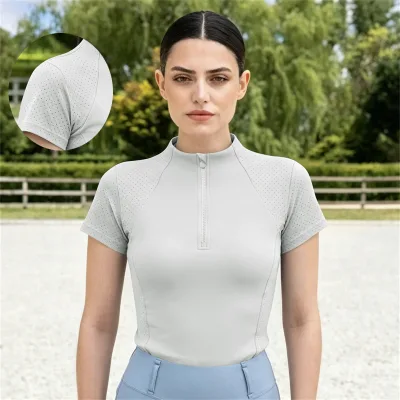
Buyers should verify that the specific product type matches the intended event format, as some listings describe horse boots or belt buckles rather than traditional number cards. The available data shows a wide range of sizes, from small 60mm keychains to 105cm belts, suggesting that a single supplier may not stock every variation required for a comprehensive event. Procurement teams must explicitly request samples of the exact form factor to ensure the item functions correctly as a number card rather than a decorative accessory or a different equestrian tool.
Product Scope and Observed Listing Signals
The current market signals indicate a diverse range of materials, including PVC, zinc alloy, and polyester blends, which directly impact the durability and application of the number card. Listings show specific model numbers like FUTAI6015 and Horse keychains-8863, suggesting that suppliers often categorize these items by specific design codes rather than generic descriptions. Buyers must scrutinize these model numbers to confirm that the physical dimensions, such as the 11x12cm or 30x20cm sizes, align with the visibility requirements of the specific equestrian discipline.
Color availability is another critical signal, with suppliers offering extensive palettes ranging from standard black and white to vibrant options like gold, silver, and champagne. This variety allows for customization but requires careful verification to ensure the chosen colors meet the contrast standards of the event organizers. The presence of multiple color options in a single listing often implies a high MOQ per color, so buyers must plan their color strategy early to avoid exceeding minimum order quantities or incurring unnecessary setup costs for small batches.
Technical Specifications to Verify
Dimensional accuracy is paramount, as the observed listings range from compact 87mm keychains to large 105cm belts, each serving a different identification purpose. Buyers must confirm the single package size and gross weight, which vary from 0.040 kg for small items to 2.0 kg for larger belt assemblies, to calculate accurate shipping costs and storage requirements. The physical thickness and rigidity of the material, whether it is a soft PVC or a plated zinc alloy, must be verified to ensure the card remains legible and secure during active riding conditions.
Material composition is a key technical variable, with some products specified as 70% polyester and 30% rubber blends, while others are pure metal alloys. These compositions affect the item's resistance to weather, sweat, and abrasion, which are common stressors in equestrian environments. Procurement teams should request detailed material safety data sheets to confirm that the finishes, such as nickel plating or specific rubber compounds, are safe for direct contact with horses and riders without causing irritation or allergic reactions.
Compliance and Safety Documentation
Safety compliance is essential, particularly for items that come into direct contact with animals or riders, as some listings explicitly mention CE quality standards. Buyers must verify that the metal components, such as zinc alloy buckles or keychains, are free from harmful heavy metals and meet the safety thresholds required for export to the Euro-USA market. The presence of a CE mark on a listing is a strong indicator, but it should be cross-referenced with independent test reports to ensure the certification is valid and not merely a marketing claim.
Documentation regarding the manufacturing process and quality assurance is equally important for liability protection. Suppliers often guarantee a finished time of 30-45 days, which allows for quality checks, but buyers should insist on pre-shipment inspection reports that detail the specific tests performed on the batch. This includes verifying that the logo application is secure and that the color fastness meets the standards required for outdoor events, ensuring the product does not degrade or fade during the competition season.
Cost Drivers and Commercial Terms
Minimum Order Quantities (MOQ) are a primary cost driver, with observed ranges spanning from 500 pairs to 3000 pieces per color and size. These thresholds vary significantly based on the product type, such as the 200-piece MOQ for belt buckles versus the 3000-piece requirement for specific keychain models. Buyers must calculate the total cost of ownership by factoring in the MOQ, as ordering below the threshold may result in higher unit prices or the inability to secure the order entirely.
Lead times and packaging logistics also influence the final commercial terms, with delivery windows ranging from 20 to 45 days depending on the complexity of the order. The single package size and gross weight data provided in listings help buyers estimate freight costs, which can be substantial for heavier items like the 2.0 kg belt assemblies. Negotiating these terms requires a clear understanding of the supplier's production capacity and the potential for expedited shipping, which may incur additional fees but could be necessary for time-sensitive event preparations.
Supplier Qualification and Quality Control
Supplier qualification should focus on their ability to maintain consistent quality across large batches, as indicated by the "Euro-USA quality" claims found in several listings. Buyers must assess the supplier's track record for meeting the specified delivery times, which are critical for event planning, and verify their capacity to handle the high-volume orders often required for equestrian events. The availability of logo customization is a key differentiator, but it requires a robust quality control process to ensure the branding is applied correctly and does not compromise the structural integrity of the item.
Quality control protocols must be established to verify that the final product matches the approved samples in terms of color, size, and material finish. The observed variations in single gross weight and package dimensions suggest that batch-to-batch consistency can be a challenge, making third-party inspections essential before shipment. Buyers should require a detailed inspection report that covers the functionality of moving parts, such as buckles, and the durability of the printed or embossed numbers to prevent failures during actual use.
Long-Term Procurement Checks
Long-term procurement success depends on establishing a reliable supply chain that can adapt to changing event requirements and volume fluctuations. Buyers should monitor the supplier's ability to maintain the specified lead times and quality standards over multiple production cycles, as consistency is key to building trust and ensuring timely delivery for future events. Regular audits of the supplier's production facilities and quality control processes can help identify potential issues before they impact the supply chain.
Sustainability and material sourcing are becoming increasingly important factors in long-term procurement strategies, even if not explicitly detailed in current listings. Buyers should inquire about the environmental impact of the materials used, such as the polyester and rubber blends, and the disposal methods for metal components. Developing a partnership with a supplier who demonstrates a commitment to ethical manufacturing and environmental responsibility can provide a competitive advantage and align with the growing values of the equestrian community.
FAQs
What materials are commonly used for equestrian number cards and holders?
Equestrian number cards and related accessories are commonly made from PVC, zinc alloy, or blended fabric materials. PVC offers durable, wipe-clean surfaces for visible number displays, while zinc alloy provides sturdy metal construction for keychains and hardware. Polyester blends with rubber are used for straps and belts. Buyers should match material choice to usage frequency and weather exposure at competitions.
Can I order custom logos or colors on equestrian number card products?
Yes, logo customization and color selection are widely available for equestrian number card products. Suppliers typically offer multiple color options including black, white, silver, gold, and various bright shades. Custom logos are usually accepted with a confirmed artwork file, and minimum order quantities apply per color and size. Confirm customization fees and artwork requirements before placing a sample order.
What is the typical minimum order quantity for equestrian number card products?
Minimum order quantities vary by product type and factory policy. Common MOQs range from a few hundred pieces for simpler items to 1000 or 3000 pieces per color for mass-produced accessories. Some suppliers accept single-pair orders at higher unit prices. Requesting a quote with your target quantity, color, and size helps factories confirm their exact MOQ and tiered pricing.
How long does production take after an equestrian number card order is confirmed?
Production typically takes 30 to 45 days after order confirmation, depending on quantity and customization level. Some simpler accessory orders can finish in 20 to 30 days. Lead time starts once artwork approval and deposit are complete, so delays in sample confirmation extend the schedule. Buyers with competition-season deadlines should order early and confirm the guaranteed completion window in writing.
Which equestrian number card sizes and packaging formats are available?
Available sizes vary by product type, from compact keychain formats around 60x25mm or 87x31x29mm up to larger 30x20cm display pieces. Packaging is typically a single-item box or polybag, with carton dimensions around 20x20x20cm to 40x30x20cm. Single item gross weight ranges from 0.04kg to about 1kg. Confirm exact dimensions and packaging details with the supplier for your chosen model.
Can I get samples before committing to a bulk equestrian number card order?
Yes, most suppliers offer samples so buyers can evaluate material quality, size accuracy, and finish before bulk production. Sample costs and shipping fees are usually charged separately and may be credited against later orders. Because MOQs are set per color and size, sampling also helps validate your selection. Allow extra days for sample production and international courier delivery when planning your timeline.
What quality standards should I expect from equestrian number card suppliers?
Many suppliers manufacture to Euro-USA quality benchmarks, and some products carry CE marking for relevant categories. Quality claims should be verified through samples, factory documentation, and third-party inspection rather than accepted at face value. Ask about material composition, plating durability, and stitching or fastening strength for straps and metal parts. Requesting test reports for your specific order is a practical safeguard.
How does pricing work for equestrian number card orders with multiple colors or sizes?
Pricing is usually quoted per piece with MOQs enforced per color and per size, so splitting one quantity across several colors can raise costs or exceed minimums. Larger total volumes generally unlock better unit prices. Metal items with plating and custom logos cost more than plain PVC versions. Provide exact color, size, and quantity breakdowns so suppliers can quote accurately per specification.